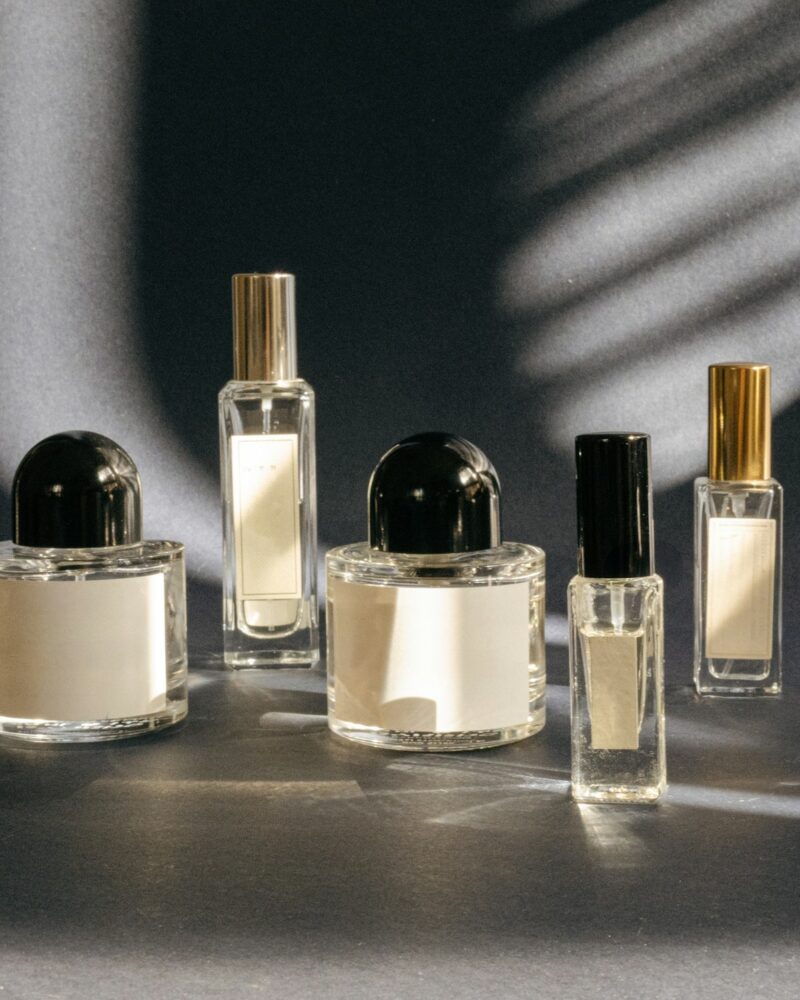
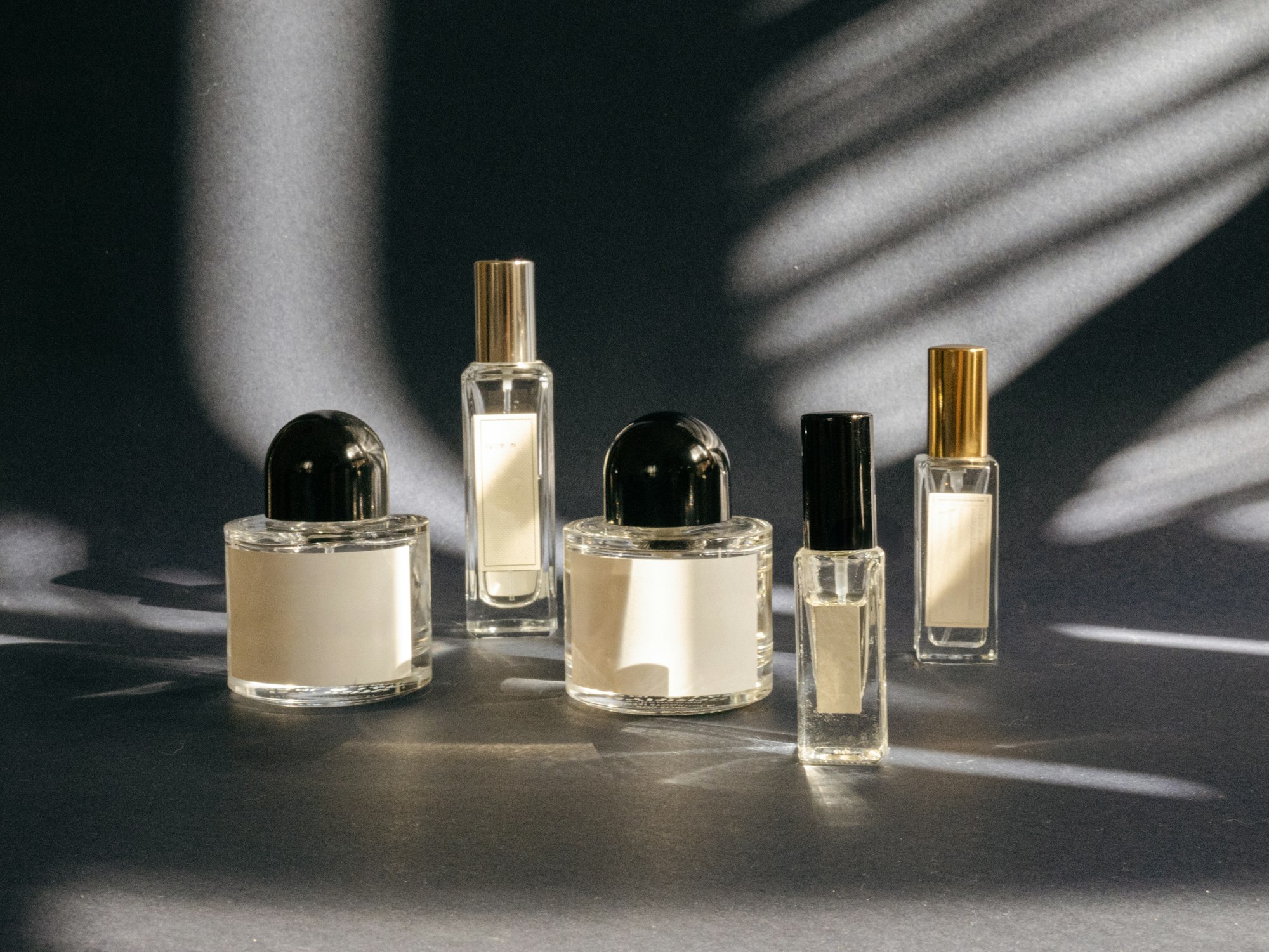
A fragrance wardrobe isn’t about owning dozens of bottles. It’s about having three or four scents that suit different moods, seasons and occasions, the way you’d own a summer dress and a winter coat. And some of the most interesting perfume being made right now comes from small, independent perfumers who blend in tiny batches and sell discovery sets online.
Here’s how to build one thoughtfully.
Learn the four main families
Most perfumes sit somewhere on the fragrance wheel, which groups scents into four broad families:
- Fresh: citrus, green leaves, sea air, herbs. Bright and clean; easy in hot weather and for daytime.
- Floral: rose, jasmine, tuberose, orange blossom. From soft and powdery to rich and heady.
- Amber (once called oriental): vanilla, resins, spices, incense. Warm and enveloping; lovely for evenings and cooler months.
- Woody: sandalwood, cedar, vetiver, oud. Grounded and smooth, and often the base that holds a perfume together.
Notice which families you’re drawn to in candles, soaps and other people’s perfume. That’s usually your starting point.
Understand top, heart and base notes
A perfume changes as it dries. The top notes are what you smell in the first few minutes, often citrus or herbs. The heart appears after about twenty minutes and is the true character of the scent. The base notes (woods, musks, vanilla) are what linger for hours.
Never judge a perfume in the first five minutes. Judge it an hour later.
This is why buying a perfume straight off a paper strip so often disappoints. The strip only gives you the opening; your skin gives you the story.
Sample before you commit
Discovery sets and decants (small vials of 2–10 ml) are the single best way to build a wardrobe without wasting money. Many independent perfumers sell sample sets for a fraction of a full bottle, and some credit the cost against a full-size purchase.
Wear each sample for a full day. Note how it opens, how it feels at lunchtime, and whether anyone comments on it. After a week of sampling, the one you keep reaching for is your answer.
A simple four-scent wardrobe
- The everyday: a fresh or soft floral scent you can wear to work, close to the skin.
- The warm-weather scent: citrus, fig, sea salt or green notes for heat and holidays.
- The evening: something richer: amber, oud, tuberose or smoky woods.
- The wild card: a scent that’s purely for you. Strange, nostalgic, unexpected.
Small ways to make it last
Apply to moisturised skin, since perfume holds better on hydrated skin than dry. Spray on pulse points and clothes (test on an inside seam first, as some oils can mark fabric), and don’t rub your wrists together; it simply speeds up the top notes. Store bottles away from sunlight and heat: a bathroom shelf is the worst place for them.
Why independent perfumers are worth exploring
Small perfumers can take risks that big houses can’t: unusual materials, regional ingredients, short runs that sell out. Many share exactly what’s in each blend and the story behind it. If you’ve only ever bought fragrance at a department store counter, a discovery set from an independent maker is a lovely way to smell something genuinely new.
Are you an independent perfumer? We’d love to hear about your work.
Photo: Lera Ginzburg / Unsplash